Manufactured Homes: Land Ownership vs. Space Rent
A plain-language guide to the two ways you can buy a manufactured home in Southwest Riverside County, and the questions to ask before you make an offer
Why This Guide Matters Before You Make an Offer
Not every manufactured home is bought the same way. Some come with the land underneath them; others sit on rented ground inside a community. That single difference changes how the home is financed, insured, taxed, and eventually resold, and it shapes your monthly costs from the very first payment. This guide explains both models plainly so you can compare properties with confidence.
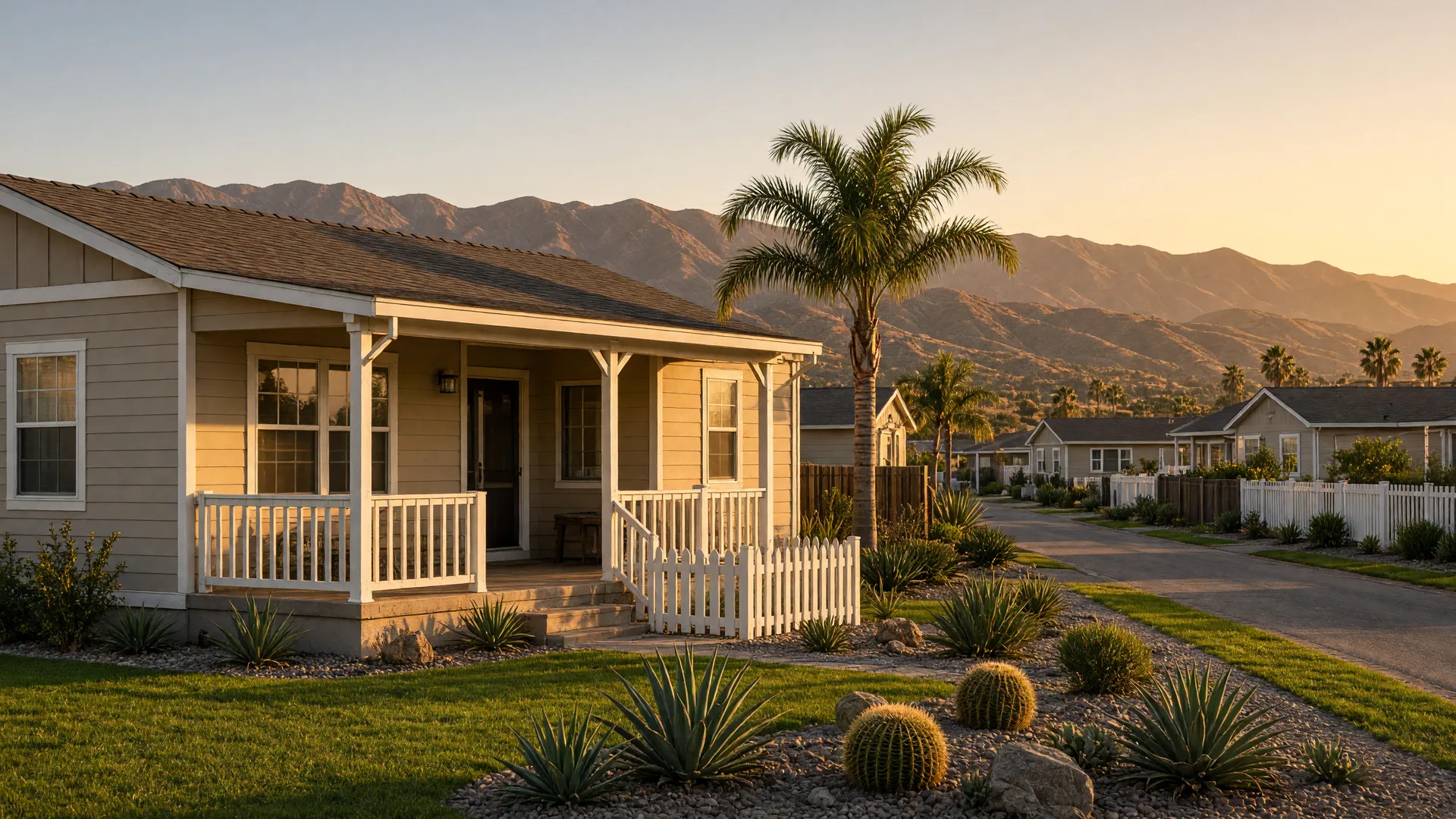
The Two Ways You Can Own a Manufactured Home
When you see a manufactured home for sale in Southwest Riverside County, the asking price usually tells you only part of the story. The other part is what you actually own when the sale closes, and whether the ground under the home comes with it.
There are two main ownership models, and they behave very differently from a buyer's point of view:
Buying the Home With the Land
The home sits on a parcel of land you own, often on a typical residential lot, acreage, or within a subdivision. The sale includes the home and the ground beneath it. In practical terms this is the model that works most like a traditional house purchase: you own the property, you control the lot, and you handle the land, the landscaping, and the structure as one package.
Buying the Home in a Land-Lease Community
The home is located inside a community where the ground is rented. You own the manufactured home itself, but the community owns the land it sits on, and you pay a monthly space rent to keep it there. That space rent typically covers the ground and often a share of community services, utilities, and amenities, and it is a permanent part of your monthly housing cost.
Neither model is automatically better. Each one fits a different buyer, budget, and lifestyle. What matters is that you know which model you are looking at before you compare prices, because the true monthly cost and the long-term picture can be very different between the two.
How Financing Differs Between the Two
The ownership model drives how lenders treat the purchase. A manufactured home on owned land is generally financed as real property, which means the loan works much like a traditional mortgage. The land and the home together secure the loan, and the borrower has the usual range of mortgage-style financing questions to consider.
A manufactured home in a land-lease community is a different situation. Because the buyer owns the home but not the land, lenders often use a different kind of loan, sometimes called a chattel or personal property loan, which treats the home more like a vehicle than like real estate. Chattel-style loans can have different rates, terms, down-payment expectations, and eligibility rules than a traditional mortgage.
Programs and rules change. Verify the details.
Financing options for manufactured homes evolve, and lenders and programs update their requirements over time. Some loan programs do not apply to manufactured homes at all, while others treat them differently depending on the model, the foundation, and whether the land is included. Never assume today's options will be the same at closing, and ask your lender specifically how the home you are considering would be financed.
If you are working with a lender, bring them into the conversation early, ideally before you make an offer. They can tell you whether the property you are looking at would finance as real property or under a chattel-style arrangement, and what that means for your rate, down payment, and monthly payment.
Insurance Looks Different Too
Homeowners insurance is a requirement on almost every financed purchase, and manufactured homes are no exception. But the right policy type can depend on which ownership model you are buying.
A manufactured home on owned land is usually insured more like a traditional house. The home and the land are covered under a homeowners-style policy, and the questions you will hear about, coverage for the structure, your belongings, liability, and additional living expenses, will feel familiar to anyone who has bought a site-built home.
A manufactured home in a land-lease community often needs a different kind of policy, sometimes a manufactured or mobile home policy, because you are insuring the structure itself rather than the land under it. Coverage can vary between policies and insurers, so the details matter: what is included, what is excluded, and how the policy responds if the home is damaged.
We are not quoting rates here, on purpose.
Insurance pricing depends on the specific home, the community, the coverage you choose, and the insurer. What we can tell you is to ask a licensed insurance professional about the exact property before you remove contingencies, and to compare the same coverage between more than one carrier. The policy type and its cost are knowable numbers, but only for the specific home you are considering.
Your lender will also have requirements about the coverage in place before closing, so treat insurance as an early step, not an afterthought. If you are comparing a home on owned land with a home in a space-rent community, get quotes for both and add them to your side-by-side monthly cost comparison.
How Property Taxes Work in Each Model
Property taxes follow the same split as ownership. When you buy a manufactured home with the land, the property is taxed with the land, just like a traditional home. The county assessor values the real estate, and your property tax bill reflects the home and the ground together, usually paid through your mortgage impound account or directly to the county.
In a land-lease community, the situation is different. The homeowner generally pays tax on the manufactured home itself, while the community, which owns the land, handles the taxes on the ground. The community's land taxes are usually reflected in the monthly space rent you pay, which means the rent you see is not just the cost of the ground, it includes the community's own tax and operating costs.
Ask the county assessor for the property-specific answer.
Tax treatment can vary by property and by community, and California's rules for manufactured homes can be easy to misread from a general article. The reliable move is to verify the exact tax situation for the property you are considering with the county assessor's office, and to ask the community for a clear breakdown of what the space rent includes.
When you compare a home on owned land with a home in a space-rent community, do not just compare purchase prices. Add the estimated property tax on the owned-land home to its monthly picture, and add the full space rent, including its tax component, to the community home. That is the only fair way to compare the two.
Buying Inside a Park Means Getting Approved by the Park
Buying a manufactured home in a land-lease community is not just a real estate purchase; it is also an application to join a community. In most space-rent parks, the buyer has to be approved by the community before the sale can close. That approval process typically includes a credit check, a background check, and a review of the buyer's application by the park management.
Community rules can also shape whether a purchase makes sense for you. Many parks have restrictions that buyers should understand before making an offer, including rules about pets, minimum or maximum age requirements where legally applicable, and limits on the age or condition of the home itself. A home that would be perfectly fine in one community may not meet the rules of another.
This is why we encourage buyers to read the community rules and understand the approval process before falling in love with a specific home. Ask what the approval requires, how long it takes, and what happens if the community declines the application. Those answers belong in your decision long before you sign anything.
Resale: Think About the Day You Might Sell
Nobody buys a home expecting to leave it soon, but the day you sell is when the ownership model shows up again. A manufactured home on owned land generally resells more like a traditional property: the buyer is buying real estate, the pool of interested buyers is typically larger, and financing options are the familiar mortgage-style ones.
A home in a land-lease community resells within that community's rules. The next buyer has to be approved by the park, the community's reputation and amenities can affect how easily the home sells and for how much, and the space rent, and any history of increases, becomes part of the next buyer's math. In some communities the park also has rights or requirements around the resale, so the sale process can be more involved.
Community reputation and space rent matter at resale.
A well-run community with stable, reasonable space rent can be a wonderful place to live and a smooth resale later. A community with rising rents, tightening rules, or maintenance concerns can make a home harder to sell. Ask the community about space-rent history and any planned increases, and spend time there to get a feel for how it is run before you commit.
The practical takeaway: when you tour a manufactured home, ask the same resale questions you would for any home, plus the community-specific ones. It is easier to walk away from the wrong model before you own it than to unwind the purchase later.
What This Means for Murrieta Hot Springs, Wildomar, and Menifee Buyers
These ownership questions are especially relevant for buyers researching manufactured homes in Murrieta Hot Springs, Wildomar, Menifee, and the surrounding communities of Southwest Riverside County. The region offers a genuine mix: manufactured homes on owned parcels in rural and semi-rural settings, and established space-rent communities with their own clubhouses, amenities, and rules.
Buyers often assume one "manufactured home" behaves like another, and the difference between owned land and rented ground can be the deciding factor between two homes that look similar at first. Space rent, community approval, park rules, and the way the home is financed and taxed can each change the complete monthly picture by a meaningful amount.
When you research a specific property, ask the same questions in every community: Is the land included? What does the space rent cover? What does the approval process require? What are the current rules on pets, age, and home age? And verify the financing, insurance, and tax details with the professionals who will actually handle them. You can also explore our Wildomar neighborhood guide, our look at living in Menifee, and the broader Murrieta Real Estate Guide for the surrounding area.
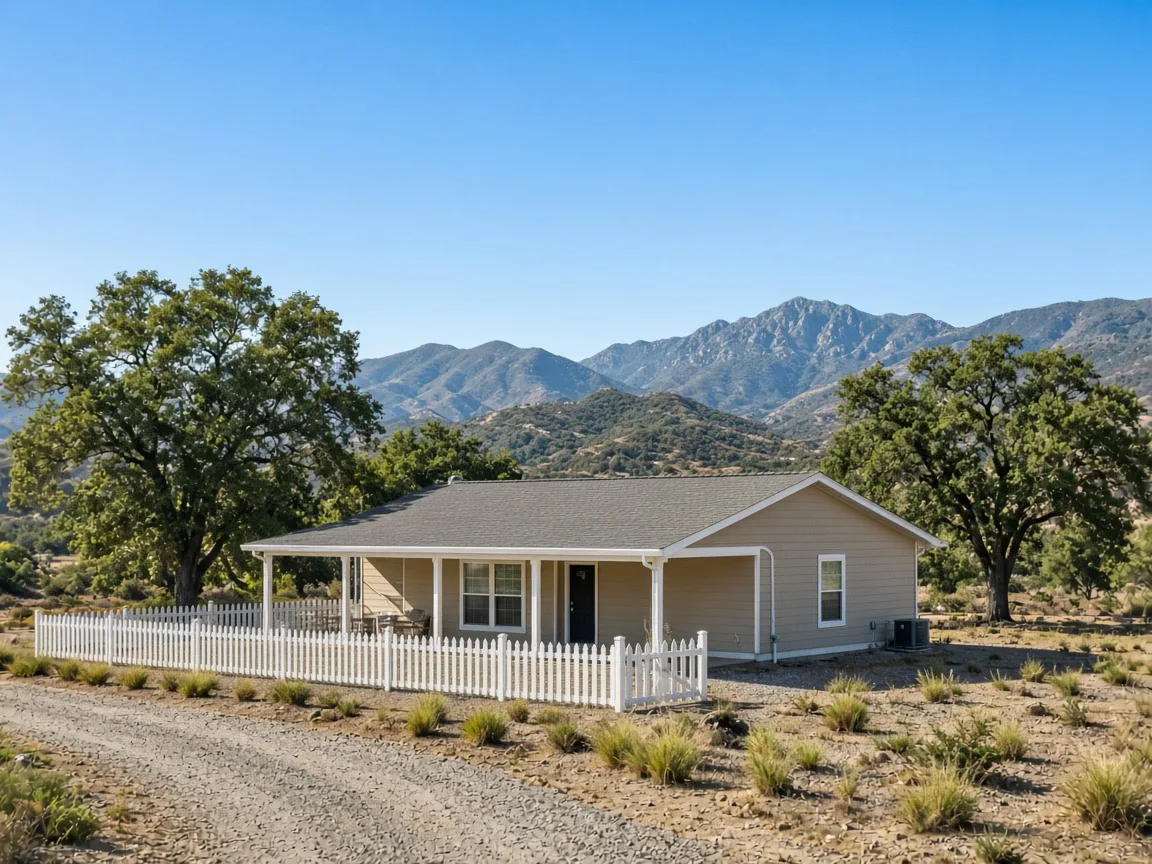
Every Property Is Different. Ask Questions. Verify.
Financing programs, insurance options, tax treatment, and community rules for manufactured homes change over time and differ from property to property. The trustworthy approach is to verify each detail with the lender, the insurance professional, the county assessor, and the community itself for the exact home you are considering.
If you are researching a manufactured home in Murrieta, Murrieta Hot Springs, Wildomar, Menifee, or anywhere in Southwest Riverside County, we are happy to help you evaluate a specific property: what the ownership model means for your monthly costs, what to ask the community, and what to verify before you make an offer. No pressure, and no obligation.
Last reviewed and updated: November 14, 2026