Buying a Home in a High Fire Hazard Area
A plain-language guide to homeowners insurance, wildfire risk, and what to check before you make an offer in California
Why This Guide Matters Before You Make an Offer
Lenders require homeowners insurance on financed purchases, and in fire-prone areas the availability and cost of coverage can affect financing and closing. That is why we encourage buyers to research insurance early, especially on hillside, rural, and acreage properties. This guide walks you through what to check, where to look it up, and how to compare properties fairly.
Why Insurance Comes First
If you are financing your purchase, your lender will require homeowners insurance before it funds the loan. The coverage has to be in place at closing, and the premium becomes part of your monthly ownership cost from day one, right alongside property taxes and HOA dues.
In fire-prone areas, the availability and cost of insurance can vary a great deal from property to property. A quote on one address tells you very little about the house next door. When coverage is expensive, limited, or hard to find, it can change what you can comfortably afford, what a lender will support, and sometimes whether financing can close on time.
That is why we ask buyers to research coverage early, before making an offer, not after. On hillside, rural, and acreage properties, insurance companies tend to look at the property more closely, so knowing your options early matters even more. Treat insurance like the rest of the ownership numbers: understand it before you fall in love with the home, and there will be no surprises during escrow.
How to Check a Property's Wildfire Risk
California's wildfire risk is mapped by the state. CAL FIRE classifies land into Fire Hazard Severity Zones rated Moderate, High, or Very High, based on vegetation, slope, fire weather, and similar factors. The zones describe the hazard posed by the land itself, not the condition of any particular home, but they are the standard place to start for buyers and insurance companies alike.
Two terms are worth knowing. State Responsibility Area (SRA) land is protected by the state, and the hazard zone maps apply there directly. Local Responsibility Area (LRA) land is protected by a city, county, or fire district, and the zones there are adopted by the local agency. For a buyer, the practical point is simple: the exact address determines which zone applies, and you can look that up yourself.
A zone is a starting point, not a verdict.
Some homes in Very High zones secure coverage, and some homes in lower zones are harder to insure. The zone helps you ask informed questions; a licensed insurance professional turns the zone into an actual quote for the specific property.
Look Up a Property's Fire Hazard Severity Zone
Search an address in the official CAL FIRE viewer below to see which Fire Hazard Severity Zone applies to a property.
Prefer a full screen? Open the full CAL FIRE map viewer.
What Makes a Property More or Less Insurable
Every insurer evaluates wildfire risk in its own way, but most weigh a handful of broad factors. These are general points to ask about and verify for a specific property, not fixed requirements. Your agent should confirm the details that actually apply.
Defensible Space
A cleared, maintained area around the home that slows fire and gives firefighters room to work. Ask about the property's current condition and the ongoing maintenance it will need.
Home Hardening
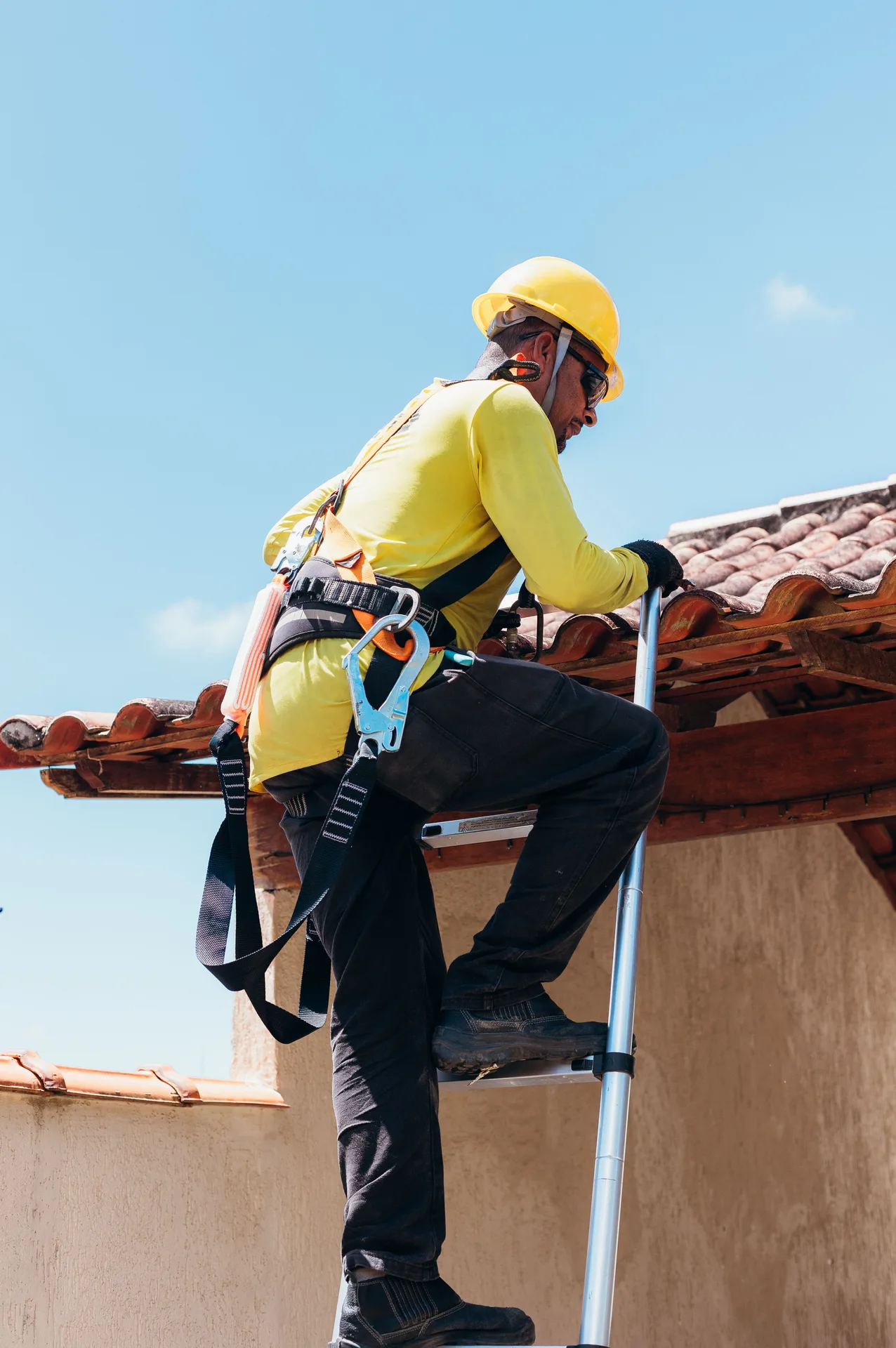
Class A roof, ember-resistant vents, dual-pane windows, and non-combustible siding can reduce the chance that embers ignite the house. Ask what materials the home actually has; roof type and age are usually easy to confirm.
Water Supply and Access
Hydrants or water storage, and driveways and roads wide enough for fire apparatus. Long, narrow, steep, or winding driveways can matter to insurers and to fire departments responding to the home.
Open Space and Vegetation Nearby
Homes near chaparral, brush, canyons, or parkland can be viewed differently than homes in the middle of a built-out neighborhood. Being near open space is not automatically a problem, but it is a factor to ask about.
None of these factors is a pass-or-fail test by itself. The best approach is to gather the facts about the specific home, then let a licensed insurance professional explain how those facts affect coverage and cost.
How to Shop for Coverage
The California FAIR Plan, Explained Honestly
The California FAIR Plan is the state's insurer of last resort. When a qualified property cannot find coverage in the standard market, the FAIR Plan is required to offer a policy. It is an association of insurers doing business in California, set up to fill the gap when standard coverage is not available.
To be honest about what "last resort" means: FAIR Plan coverage is basic fire coverage with a more limited set of perils than a typical homeowners policy, and it typically does not include liability, so a separate liability policy is usually needed to put a complete picture back together. The terms, rates, and availability of the FAIR Plan change over time, sometimes substantially, so anything you read today about its limits or pricing may be outdated by the time you actually shop.
Think of the FAIR Plan as a fallback to understand, not a first choice.
Shop the standard market first and get real quotes before assuming coverage is unavailable. If the FAIR Plan does come up for a property you love, ask a licensed agent to explain exactly what it covers, what it does not cover, and what additional policies would fill the gaps. We are not recommending it; we just want you to have an accurate picture if you ever need it.
For a broader look at insurance in this area, including why the seller's rate never carries over, see our article on what you should know about homeowners insurance in Murrieta.
What This Means for Southwest Riverside County Buyers
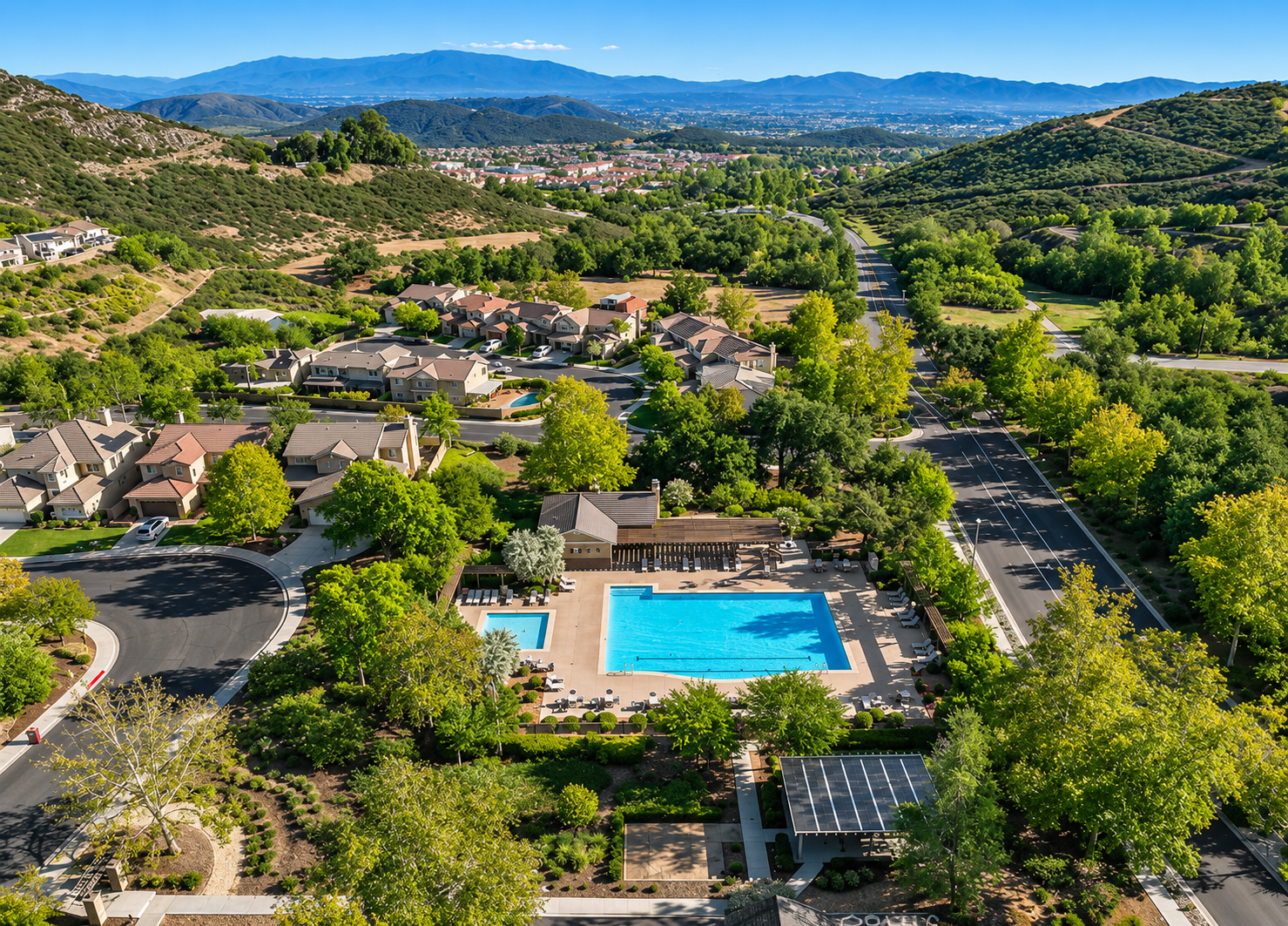
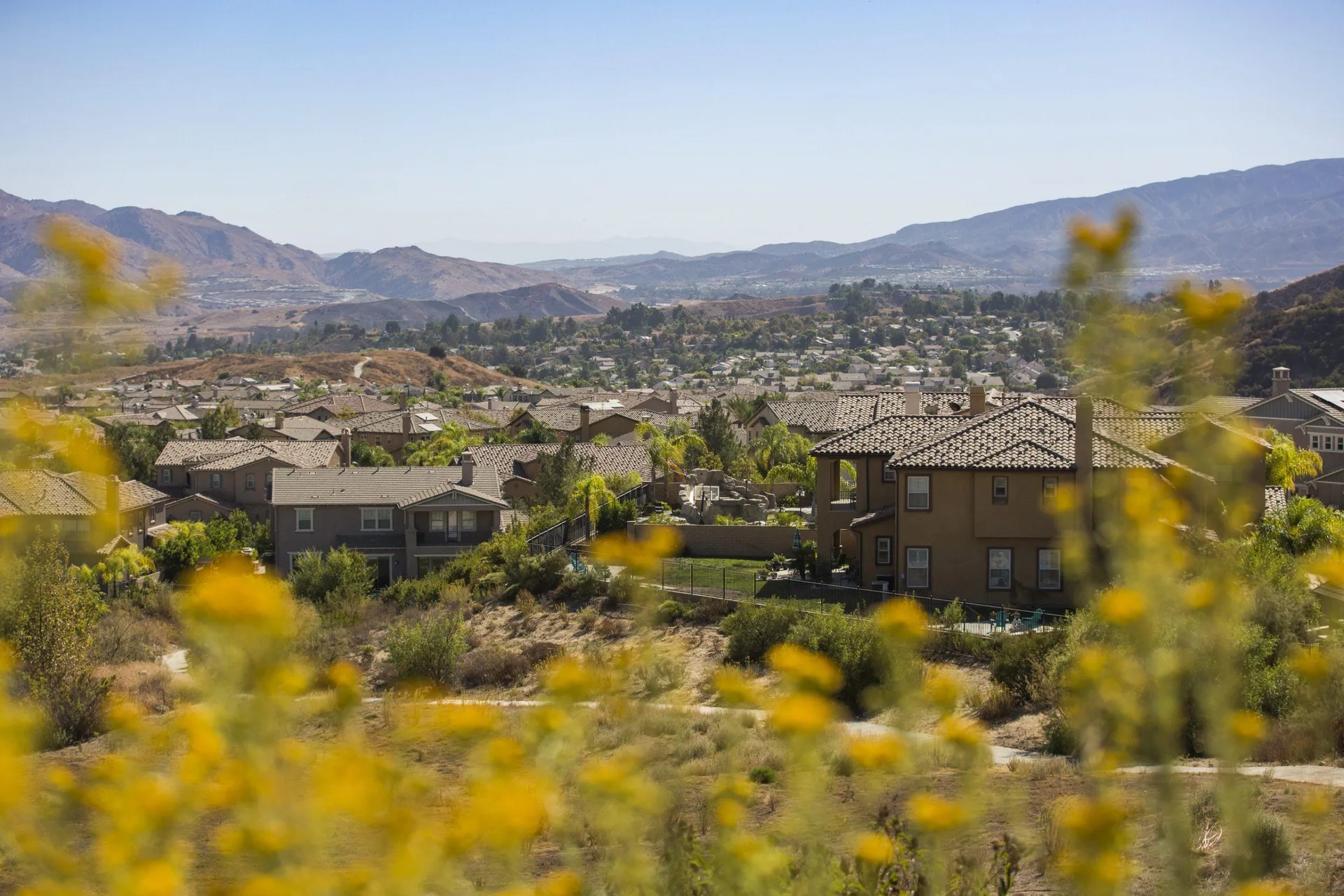
Across Murrieta, Temecula, Menifee, Winchester, and the surrounding areas, buyers find a real mix: established neighborhoods with homes on typical residential lots, and hillside, rural, and acreage properties ringed by open space. The wildfire-risk question is a property-by-property one, and the answer depends on the exact address and the current maps. Two homes a short drive apart, or even across the street from each other, can fall into different zones and draw different insurance responses.
Here is what that means in practice: insurance is a knowable line item, not a wild card. A buyer who checks the zone, asks about roofs and construction, and gets an early quote can plan with confidence. Equestrian properties, ranch homes, and hillside estates are part of what makes this area special, and understanding insurance simply lets you buy with open eyes.
If you are looking at a specific property, we are happy to help you figure out what to check next and connect you with licensed insurance professionals who know wildfire areas. Explore our neighborhood guides and service areas to see the range of communities across the region.
Rules Change. Ask Questions. Verify.
Wildfire insurance rules and availability change frequently across California. Always verify current requirements with your lender, for what your loan will require, and with a licensed insurance professional, for what coverage will cost and include for the specific property you are considering.
If you are thinking about a home in Murrieta, Temecula, Menifee, or anywhere in Southwest Riverside County and want help understanding a specific property, reach out. We will walk through the questions with you and help you make a confident decision about the home and the neighborhood. No pressure, and no obligation.
Last reviewed and updated: November 14, 2026