
Inherited Property & Probate Real Estate Guide for Murrieta
Inheriting or becoming responsible for a property can create several decisions at once. The property may be held in a trust, pass through probate, be owned by multiple heirs or beneficiaries, remain occupied, sit vacant, need repairs, or require a decision about whether to keep, rent, transfer, or sell it. The correct next step depends on ownership, estate documents, the authority of the trustee or personal representative, property condition, tax considerations, family or beneficiary decisions, and the goals of the estate.
Laura & Cheryl help with the real estate side of inherited and probate-related property decisions throughout Murrieta, Temecula, Menifee, Winchester, and Southwest Riverside County. When legal, tax, appraisal, or estate-administration questions arise, we coordinate with the appropriate qualified professionals.
Understanding Basis on Inherited Property
For federal tax purposes, the basis of property inherited from a decedent is generally based on the property's fair market value as of the date of death. However, other rules may apply. For example, an estate may use an alternate valuation date in qualifying circumstances, certain estates are subject to consistent-basis reporting requirements, and other special rules can affect the calculation. The inherited basis is important because it may affect the taxable gain or loss when the property is later sold.
How the inherited basis is determined
When property is transferred at death, the recipient's basis is generally determined under special federal tax rules that often use the property's fair market value on the date of death. Alternate valuation dates, consistent-basis reporting requirements, and other special rules can apply, so the actual basis for a particular property should be confirmed with a qualified tax professional.
Simplified Example
Assume an inherited property has a tax basis determined to be $750,000 and is later sold for $765,000. The tax calculation would generally consider the amount realized from the sale, allowable selling expenses, the established tax basis, and any other applicable tax adjustments. The resulting taxable gain is not automatically zero, and Laura & Cheryl do not determine the estate's or beneficiary's tax liability. A qualified tax professional should calculate the actual basis and taxable gain.
For a deeper look at how capital gains can apply when a home is sold, see our Capital Gains Tax Guide.
Official IRS References
Valuation Considerations
Establishing fair market value as of the applicable valuation date may be important for estate, accounting, or tax purposes. Depending on the estate and intended use, a CPA, attorney, executor, or other advisor may recommend obtaining a retrospective real estate appraisal from a qualified licensed or certified appraiser.
Laura & Cheryl can prepare a retrospective Comparative Market Analysis or broker market analysis using historical real estate data to help evaluate how the property may have been positioned in the market as of a prior date. A broker-prepared CMA is not the same as a licensed appraisal and should not be described as a "certified date-of-death valuation." The estate's tax or legal professional should determine what type of valuation documentation is appropriate.
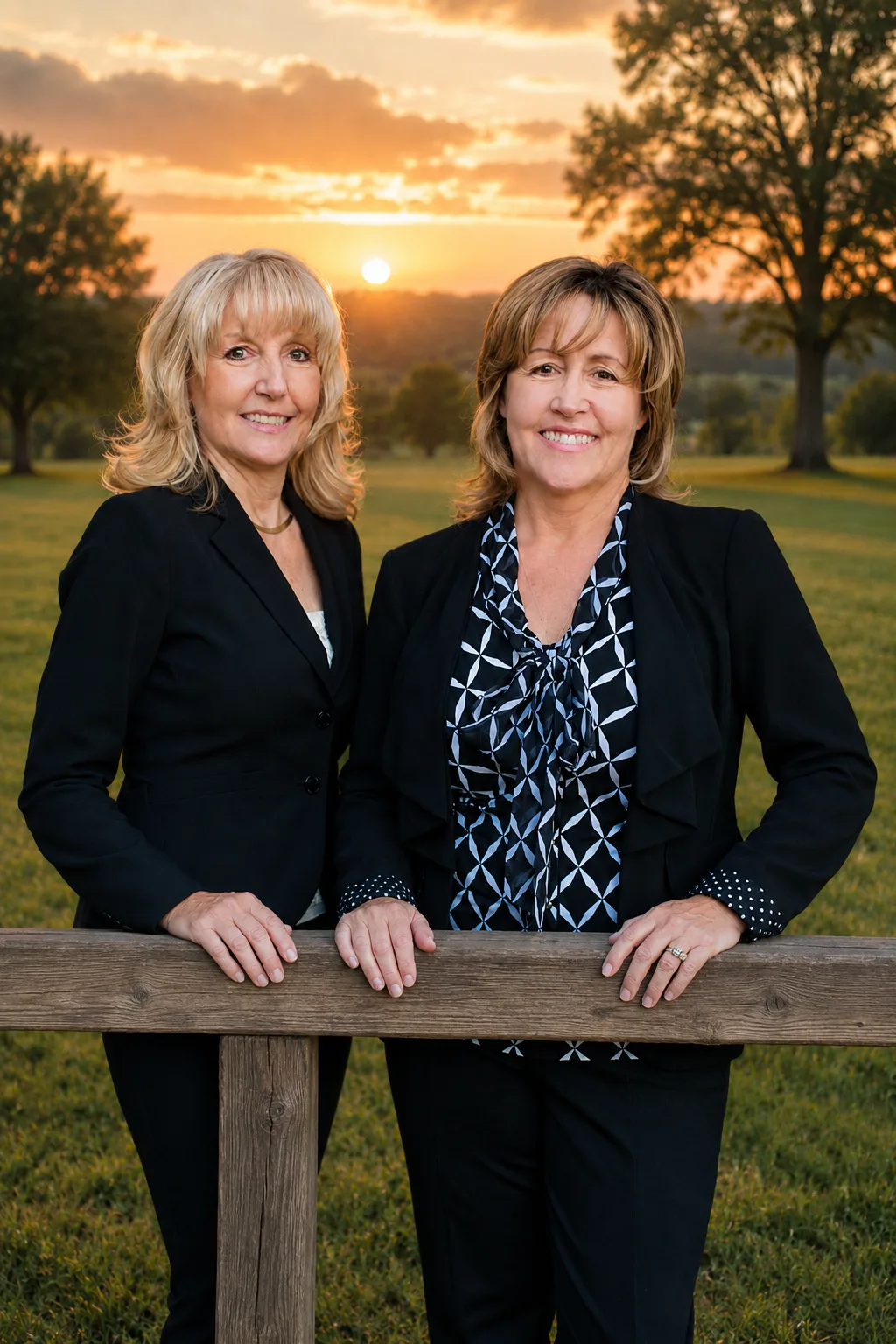
Laura Holbert & Cheryl Shadden are Certified Probate Real Estate Specialists (CPRES), a real estate training and designation, serving families through inherited property, estate-related sales, and real estate decisions throughout Southwest Riverside County. We are real estate brokers, not attorneys, tax advisors, or appraisers.
Navigating California Proposition 19
California Proposition 19 changed the property-tax rules for certain transfers of family homes and family farms between parents and children and, in limited circumstances, grandparents and grandchildren. A child does not automatically inherit the parent's existing taxable value.
For a qualifying family-home transfer, the property generally must have been the transferor's principal residence, and the eligible transferee must use the property as their principal residence and satisfy the applicable filing requirements.
The value limitation is not simply a flat $1 million cap. For transfers occurring from February 16, 2025 through February 15, 2027, the State Board of Equalization has adjusted the exclusion amount to $1,044,586, which is used together with the property's factored base-year value under the Proposition 19 calculation. The amount is adjusted periodically, so homeowners and heirs should verify the current figure with the California State Board of Equalization or county assessor.
If You Keep It as a Rental or Second Home
If an inherited property does not qualify for an applicable reassessment exclusion, a change in ownership may result in reassessment under California property-tax law. How the property is used and the ownership circumstances can affect whether a Proposition 19 exclusion is available. The county assessor makes the property-tax determination.
If You Move In
An eligible transferee seeking the Proposition 19 family-home exclusion generally must use the property as a principal residence and satisfy the applicable homeowners' or disabled veterans' exemption requirements within the required timeframe. Eligibility, filing deadlines, value limitations, and the resulting taxable value should be confirmed with the county assessor.
When Multiple Heirs or Beneficiaries Have Different Goals
When more than one person has an interest in an inherited property, the parties may have different priorities. One person may prefer to retain the property, another may prefer a sale, and another may be uncertain.
Possible options can include a buyout, continued co-ownership, rental, transfer, or market sale, depending on legal authority, ownership structure, financing, tax consequences, estate documents, and the agreement of the appropriate decision-makers. These options can have legal, tax, financing, title, and property-tax consequences and should be reviewed with the appropriate professionals.
One Party Purchasing Another Party's Interest
One beneficiary or heir may sometimes be interested in acquiring the interests of others. Whether that is possible depends on legal ownership, estate authority, financing, valuation, title, tax consequences, and the agreement of the parties. Laura & Cheryl can provide real estate market information, but the legal structure and tax consequences should be reviewed by the appropriate attorney, lender, tax professional, and title professionals.
Keeping the Property
Some owners may consider holding the property rather than selling it. Questions may include: who will own the property; who has authority to make decisions; whether financing is involved; property-management responsibilities; repairs and maintenance; insurance; taxes; rental-income treatment; and future sale decisions. Legal and tax professionals should advise on ownership entities, trusts, LLCs, tax consequences, or agreements among beneficiaries.
Selling the Property
If the appropriate decision-makers choose to sell, Laura & Cheryl can help evaluate the property, preparation options, pricing, marketing, offers, estimated net proceeds, and transaction management. Distribution of estate proceeds is handled according to the applicable estate documents, legal authority, court requirements, and advice of the estate's attorney or other professionals.
Our Complete Seller Guide walks through the full process, and you can review typical Seller Fees & Closing Costs in Murrieta.
A property-specific market analysis can provide objective real estate information that may help the parties compare possible sale scenarios. Rental-income projections, investment analysis, tax treatment, and legal ownership arrangements should be evaluated with the appropriate qualified professionals.
When an Estate Attorney May Be Needed
Probate, trust administration, title authority, beneficiary rights, estate distributions, and court requirements are legal matters. An estate or probate attorney can advise the personal representative, trustee, heirs, or beneficiaries about those issues.
Laura & Cheryl focus on the real estate transaction and coordinate with the estate's attorney, escrow, title, tax professionals, vendors, and other parties as appropriate. We can provide contact information for local legal professionals upon request. Clients should independently evaluate and select any attorney, tax professional, appraiser, contractor, or other service provider.
How Laura & Cheryl Can Help
- Property evaluation and real estate market analysis
- Preparation and vendor coordination where requested
- Pricing strategy
- Property marketing
- Offer evaluation and negotiation
- Estimated seller net proceeds
- Escrow and title coordination
- Communication with the estate's attorney and other professionals
- Transaction and deadline management
- Remote real estate coordination for out-of-area decision-makers
Does Every California Probate Sale Require Court Confirmation?
No. The procedure depends on the authority granted to the personal representative and the circumstances of the estate. Under California's Independent Administration of Estates Act, a personal representative with appropriate independent authority may be able to conduct certain transactions, including some real estate sales, without obtaining prior court confirmation, although notice and other legal requirements may still apply. Other estates may require court supervision or confirmation. The estate's attorney should determine which procedure applies.
California Courts: Probate ResourcesWhat If the Property Is Held in a Trust?
A property held in a trust may sometimes be transferred or sold by the successor trustee without a probate proceeding, but that does not mean every trust sale is legally simple or free from court involvement. The trustee's authority depends on the trust documents, title, applicable law, and circumstances. Laura & Cheryl can handle the real estate portion once the appropriate decision-maker and authority have been established. Legal questions concerning trustee authority or trust administration should be directed to the trust or estate attorney.
Locksmith & Re-Keying
Clean-Out Services
Landscaping & Utility Coordination
Property Maintenance
If the Property Is Vacant
An inherited or estate property may sometimes remain vacant while decisions are being made. Vacancy can create practical issues involving insurance, utilities, landscaping, security, maintenance, mail, HOA requirements, and property condition.
Insurance policies differ significantly in how they treat vacancy and occupancy status. The owner, trustee, personal representative, or other responsible party should notify the insurance professional and confirm the applicable coverage rather than relying on a universal number of vacant days.
Laura & Cheryl may help coordinate access to vendors such as locksmiths, cleaners, landscapers, contractors, or estate clean-out providers when requested. The responsible property owner or estate remains responsible for selecting vendors and approving services. Coordination regarding known HOA or property-maintenance notices is provided where applicable.
Need Historical Property Market Information?
Laura & Cheryl can prepare a retrospective Comparative Market Analysis using available historical sales and market information for a specified prior date. This broker-prepared market analysis may be useful as background information when an estate, heir, CPA, attorney, or appraiser is evaluating the property. It is not a licensed appraisal and should not be represented as a certified tax valuation. Ask the estate's tax or legal professional whether a licensed retrospective appraisal is required for the intended purpose.
No cost. No obligation. Just clear, professional market information for your family's decisions.
For a current-market estimate, you can also request a no-obligation Home Valuation.
Inherited Property & Probate FAQs
Direct answers to common questions about inherited and probate-related property in Murrieta and Southwest Riverside County.
Do all inherited homes go through probate?
No. Property may pass through a trust, joint ownership, beneficiary designation, probate proceeding, or another legal mechanism depending on title and estate planning. An attorney can determine which process applies.
Does every probate property sale need court confirmation?
No. The procedure depends in part on the authority granted to the personal representative and whether the estate is being administered under California's Independent Administration of Estates Act.
Does inherited property automatically receive a stepped-up tax basis?
Inherited property is generally subject to special basis rules that often use fair market value as of the date of death, but exceptions and alternate valuation rules can apply. A tax professional should determine the actual basis.
Can Laura & Cheryl determine my date-of-death tax value?
Laura & Cheryl can prepare a retrospective broker Comparative Market Analysis using historical sales data. That is not a licensed appraisal or tax determination. Ask your CPA, attorney, executor, or other advisor whether a licensed retrospective appraisal is needed.
Does Proposition 19 let children automatically keep a parent's property-tax base?
No. Proposition 19 contains eligibility, occupancy, filing, and value requirements. The county assessor determines whether the exclusion applies.
Can multiple heirs decide to keep the home together?
Possibly, but co-ownership, rental, buyouts, entity formation, financing, taxes, and future decision-making can create legal and financial issues. Those arrangements should be reviewed with appropriate legal, tax, lending, and title professionals.
Can an inherited home be sold as-is?
Yes, an estate or other authorized seller may choose to market a property in its current condition, depending on legal authority and transaction circumstances. An as-is sale does not eliminate applicable disclosure obligations or buyer inspection rights. See the California Seller Disclosures guide and the Pre-Sale Home Preparation guide for more.
Official Resources
Because estate, tax, and property-tax rules vary by circumstance, families should verify current requirements directly with official government sources.
- IRS Publication 551 (Basis of Assets)
- IRS Publication 559 (Survivors, Executors and Administrators)
- California State Board of Equalization: Proposition 19
- California Courts: Probate and Independent Administration resources
- Riverside County Assessor-County Clerk-Recorder: Property Tax / Proposition 19 resources
Not Ready to Take Action Yet?
That is perfectly okay. Most people reach out long before they are ready because they have questions about timing, pricing, or what the next step should be. Our goal is to help you understand your options early so you can make a calm, confident decision when the time is right.
Estate, Tax and Legal Information Disclaimer
This page provides general real estate education and is not legal, probate, trust, tax, accounting, appraisal, insurance, or financial advice. Estate authority, probate procedure, trust administration, title, tax basis, Proposition 19 eligibility, beneficiary rights, insurance coverage, and individual circumstances vary. Laura & Cheryl provide real estate brokerage services. Consult the appropriate attorney, CPA, tax professional, licensed appraiser, insurance professional, lender, county assessor, or other qualified professional when those services are required.
Need Help With an Inherited Property?
Laura & Cheryl can help with the real estate side of an inherited or probate-related property, including market analysis, preparation, pricing, marketing, offer evaluation, estimated seller net proceeds, and transaction coordination. You do not need to know the entire legal or tax answer before calling. We can help identify which real estate questions need to be addressed and coordinate with the professionals already advising the estate.
Last reviewed and updated: September 2026